Washington and Beijing create an AI channel to prevent uncontrolled escalation
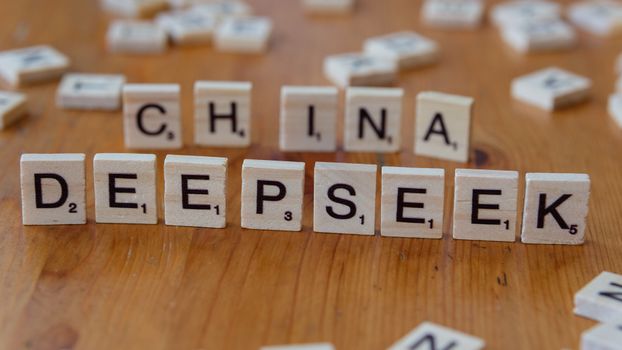
Washington and Beijing have announced the creation of a communication channel dedicated to artificial intelligence. This decision, which emerged amid heightened technological rivalry, aims to prevent misunderstandings and regulate a technology with major strategic implications. This article explores the reasons for this unprecedented dialogue, its likely operation, and its consequences for global AI governance.
Context: a high-stakes technological race
For several years, the United States and China have been engaged in intense competition in the field of artificial intelligence. The stakes go far beyond the economic sphere: military applications, mass surveillance, Automated disinformation And semiconductor control These are all points of friction. Washington has imposed restrictions on the export of advanced chips to Beijing, while China is accelerating the development of its own models, sometimes open source.
In this climate of mistrust, the risk of an uncontrolled incident or escalation is real. A misinterpreted AI system, a wrongly attributed cyberattack, or the use of autonomous weapons in a theater of operations could trigger a serious crisis. It is precisely to avoid a scenario comparable to the nuclear Cold War that the two powers are seeking to establish a minimum level of communication.
Functioning and objectives of the communication channel
The announced channel is expected to take the form of regular meetings between senior officials from both countries, specifically tasked with artificial intelligence issues. According to available information, the main objectives would be as follows:
- Exchange of information on major risks : share alerts on system failures, dangerous uses or cross-border incidents.
- Red line definition : to clarify what each party considers unacceptable, particularly with regard to lethal autonomous weapons or electoral destabilization.
- Crisis prevention : to have a rapid contact mechanism in case of an unforeseen event involving an AI, in order to avoid escalation due to calculation error.
This dialogue does not imply a general rapprochement. Technological competition, sanctions, and mutual suspicions remain. It is, above all, a pragmatic tool for risk management, inspired by the hotline established between Moscow and Washington in 1963. The actual scope will depend on the political will of each side to use this channel transparently, even when tensions are high.
Implications for global AI governance
The bilateral initiative could have repercussions beyond the two countries. First, it sends a signal to other nations: even in situations of strategic rivalry, major powers recognize the need for minimum standards for AI. This could revitalize multilateral discussions, currently fragmented between the European Union, the G7, the UN, and various private initiatives.
Next, a dialogue between Washington and Beijing could lead to common technical standards — for example, regarding model traceability, security testing, or emergency deactivation protocols. Even if limited, these technical agreements would reduce uncertainty for businesses and developers worldwide. Finally, this channel could serve as a model for other sensitive areas, such as cybersecurity or biotechnology, where a lack of communication increases the risk of accidents.
However, the significance of this announcement should not be overestimated. Deep mistrust remains between the two countries, and the agreement likely does not cover technology transfer or the lifting of sanctions. This is a first, fragile step that could quickly lose its substance if geopolitical tensions escalate.
In summary, Washington and Beijing have decided to create a dedicated communication channel for artificial intelligence, an unprecedented mechanism designed to reduce the risk of incidents and prevent uncontrolled escalation. While technological rivalry persists, this pragmatic dialogue could lay the groundwork for minimal global AI governance. Time will tell whether this outstretched hand will transform into lasting collaboration or remain merely a crisis management tool.